


Key Highlights
- Heritage helps protect your cultural identity, language, values, and family traditions.
- Cultural assimilation can support daily life, work, and social connection in a new place.
- Pressure to fit into the dominant culture can create stress, confusion, and identity struggles.
- Families and community support make cultural integration healthier and more sustainable.
- Young people often feel the strongest tension between heritage and assimilation.
- A balanced approach can strengthen belonging, opportunity, and pride in who you are.
Introduction
For many New American families, building a life in the United States brings hope, change, and hard choices. One of the biggest is how to handle cultural assimilation without losing cultural identity. Assimilation may open doors in school, work, and public life, but it can also create pressure to hide parts of yourself. So how do you move forward without leaving your roots behind? That question matters deeply for families, youth, and communities working to belong while staying whole.
Understanding Heritage and Assimilation in the Immigrant Experience
Migration often places people between two powerful forces: cultural heritage and cultural assimilation. Your cultural heritage connects you to language, memory, values, and a way of life shaped by family and history. It gives cultural identity depth and continuity.
At the same time, the dominant culture in a new land may expect quick adjustment. That can help with daily living, but it may also push people to silence meaningful parts of themselves. To understand this tension, it helps to define both ideas clearly.
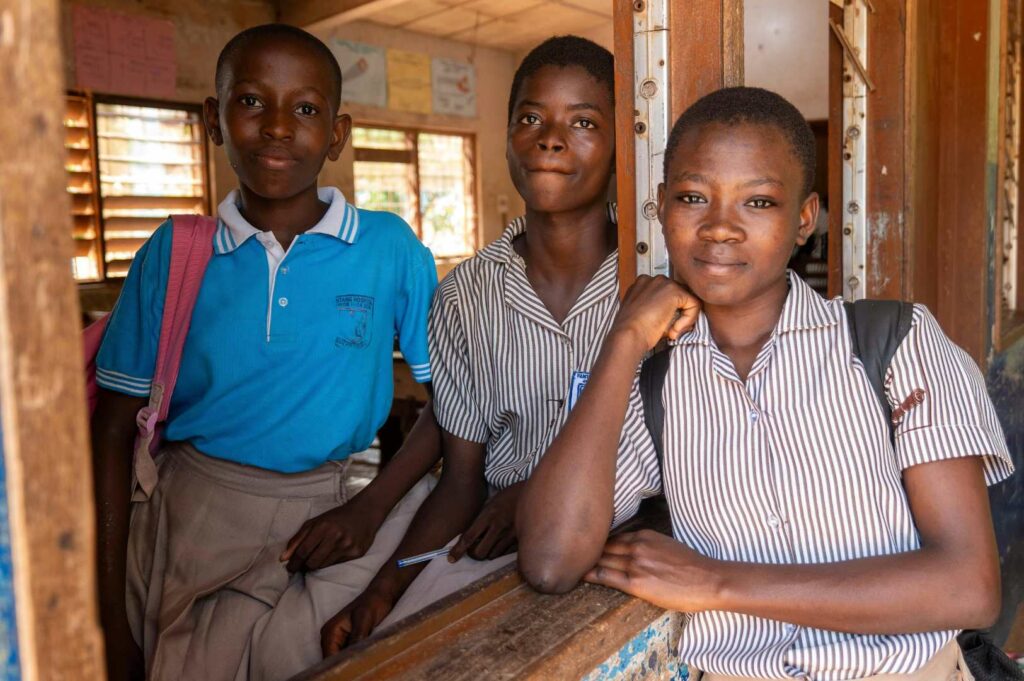
Defining Cultural Heritage: Meaning and Importance for New Americans
Cultural heritage is the living connection you keep with your original culture. It includes language, food, stories, faith practices, clothing, celebrations, and oral histories passed through families and communities. For New Americans, these traditions are not small details. They shape daily life and give meaning during major change.
In simple terms, heritage protects what formed your cultural identity before and during migration. It reminds you where you come from and what your family values. This can be especially important when life in a new country feels uncertain or overwhelming.
The main difference between heritage and assimilation is this: heritage helps you retain your original culture, while assimilation asks you to adopt the norms of the surrounding society. One preserves continuity. The other emphasizes adjustment. Healthy support systems help families honor both without losing themselves.
What Assimilation Means in the United States Context
In the United States, cultural assimilation usually means adopting the language, values, behaviors, and cultural norms of the dominant culture. This can include speech patterns, dress, social interaction, and public expectations about how people should act in school, work, and community life.
For some families, this adjustment is voluntary assimilation. They choose parts of a new culture that help them succeed. For others, the pressure feels much stronger. People may sense that acceptance depends on hiding food, faith, accents, clothing, or customs that seem unfamiliar to others.
That is one reason some immigrants struggle to maintain heritage while adapting. The more pressure people feel to match dominant expectations, the harder it becomes to keep visible ties to home. When support is weak, adaptation can start to feel like erasure instead of growth.

The Core Differences Between Heritage and Assimilation Regarding Identity
Heritage and cultural assimilation affect identity in very different ways. Cultural preservation centers on memory, continuity, and pride in where you come from. Assimilation focuses on fitting into the host society. For migrants, the tension grows when full assimilation is treated as the only path to acceptance or success.
That difference matters because unique identities can be weakened when people feel forced to choose one side only. Preservation says your roots still matter. Assimilation says adjustment matters. A balanced life often needs both belonging and continuity.
| Heritage and cultural preservation | Assimilation |
|---|---|
| Maintains cultural identity and family traditions | Encourages adoption of dominant social patterns |
| Protects language, customs, and cultural roots | Often reduces visible differences in public life |
| Supports continuity across generations | Can increase access to social integration and opportunity |
| Values unique identities | May pressure people toward full assimilation |
The Role of Family and Community in Preserving Heritage
Family and community often carry cultural heritage more strongly than any institution. They keep cultural roots alive through language, shared meals, celebrations, faith, and everyday habits that children observe and repeat. These practices create stability during transition.
Just as important, social support helps families feel less alone when facing pressure from the outside world. A connected community can reduce isolation and strengthen confidence. The next sections look at how traditions, local networks, and trusted organizations help make that possible.
Intergenerational Exchange: Passing Down Traditions and Languages
Intergenerational exchange is one of the strongest tools for cultural preservation. Grandparents, parents, and elders pass down stories, values, language, songs, and customs through daily life. These simple acts help younger generations understand that heritage is not only history. It is part of who they are right now.
For children of immigrants, this transfer can be deeply grounding. It gives them words for their family experience and helps them see pride instead of shame in cultural difference. That matters in settings where fitting in may feel more rewarded than standing out.
Assimilation can weaken a person’s connection to original heritage when traditions are hidden, interrupted, or treated as less valuable. Over time, language loss and silence can create distance within families. Passing traditions forward helps protect identity and keeps belonging from becoming one-sided.
Community Support Systems for Cultural Preservation
A strong community gives families room to keep their culture visible and valued. For minority groups, that matters because pressure from the outside can be intense. Community spaces help people celebrate traditions, share resources, and build social support without feeling they must give up who they are.
Preserving heritage instead of fully assimilating can support mental health, resilience, and a stronger sense of belonging. It also protects cultural diversity and keeps families connected across generations. People are often better able to adapt when they do not feel cut off from themselves.
Helpful support systems often include:
- Cultural events that affirm language, food, art, and history
- Peer networks that reduce social isolation for newcomers
- Trusted local groups that help families navigate schools and services
- Shared spaces where traditions can be practiced openly and safely
asantY’s Mission for Empowering New American Families in Lancaster
In Lancaster, asantY supports New Americans as they move through deep cultural shifts. Its work centers on community-led advocacy, behavioral healthcare, and leadership development. That mission recognizes a simple truth: families need more than survival. They need support that respects identity while helping them build stable futures.
Balancing assimilation and heritage can bring real challenges. Families may face language barriers, conflicting expectations between home and school, pressure to fit dominant norms, and stress that affects mental health. Youth may also feel caught between cultural roots and the desire for acceptance.
asantY responds through empowerment and community support. By helping families strengthen leadership, access care, and navigate cultural integration, the organization creates space for both belonging and self-respect. This kind of work raises awareness, supports stronger outcomes, and helps communities grow without losing what makes them distinct.
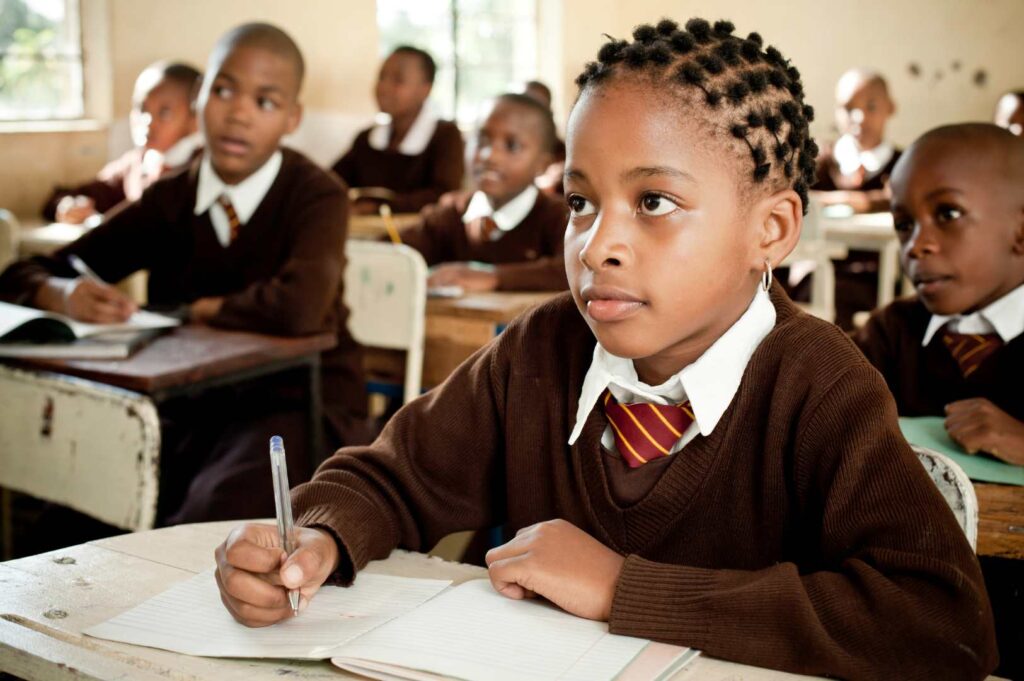
Navigating the Pressures of Assimilation
Pressure to adapt can be subtle or direct. Sometimes it appears as advice to “fit in.” Other times, it comes through exclusion, misunderstanding, or the idea that the dominant culture sets the only acceptable standard. Cultural assimilation can then feel less like choice and more like condition.
When that happens, identity crises may follow. People can feel split between public expectations and private truth. To see how this pressure works, it helps to look at norms, youth experiences, and the effect on belonging.
Cultural Expectations: Adapting to American Norms
In American society, cultural assimilation is often linked to ideas about unity, order, and national identity. Some groups argue that shared language, behavior, and cultural norms create a stronger public life. From that view, patriotic assimilation is seen as important because it appears to reduce conflict and build cohesion.
Supporters also believe adaptation can improve access to jobs, schools, and economic opportunities. They may think the fastest path into the dominant group is to adopt its customs as fully as possible. For families under pressure, that message can sound practical, even when it feels painful.
Still, this idea has limits. It can ignore cultural differences, overlook unequal treatment, and place most responsibility on migrants rather than institutions. A society may welcome food or festivals while rejecting deeper practices. That selective acceptance makes true belonging harder than it first appears.
Challenges Faced by Youth Balancing Heritage and Assimilation
Youth often carry the sharpest pressure because they move between home, school, and peer spaces every day. They may be asked to honor cultural roots at home while adapting quickly outside. That can create identity crises, especially when they feel judged in both settings.
At school or online, assimilation may look like changing speech, hiding family customs, or distancing themselves from elders. At home, they may be expected to preserve language and traditions. When these expectations clash, social integration can become emotionally exhausting.
Common challenges include:
- Feeling “not enough” in either culture
- Tension with family over language, dress, or values
- Fear that success requires rejecting cultural roots
With support, youth can learn that balance is possible without erasing one side of themselves.
Assimilation and Its Impact on Self-Identity and Belonging
Assimilation can shape self-identity in complex ways. It may increase comfort in a new environment and help a person move through daily systems more easily. Yet when adaptation requires hiding important parts of life, the inner cost can become heavy.
A person’s sense of belonging suffers when acceptance feels conditional. If you are welcomed only after changing your language, appearance, or traditions, belonging may feel fragile. This is where loss of identity can begin. You may be present in a community without feeling fully seen.
Over time, assimilation can weaken connection to original heritage through language loss, reduced family closeness, and silence around tradition. Research described in the compiled material also links stronger bicultural balance with better mental health than full assimilation alone. That suggests belonging works best when identity remains intact.
Benefits of Integrating Both Heritage and Assimilation
A blended path can offer more stability than either extreme. Cultural integration allows you to adapt to a new setting while staying connected to family, memory, and values. This supports cultural diversity rather than treating difference as a problem to solve.
There are practical gains too. People who can move across cultural settings may access economic benefits, stronger relationships, and better confidence. The following sections show how biculturalism, personal strategies, and inclusive leadership can support that balance.
Embracing Biculturalism: Opportunities and Strengths
Biculturalism offers a practical alternative to full assimilation. Instead of choosing between two worlds, you build a personal blend of cultural heritage and lived experience. This form of cultural integration recognizes that cultural differences do not have to block success. They can become part of your strength.
The compiled information notes that biculturalism is linked to higher self-esteem, less anxiety, less depression, and better family relationships. That matters for migrants who want both well-being and opportunity. Preserving heritage can help people stay grounded while adapting to a new setting.
Possible advantages include:
- Stronger identity and better mental health
- Better family connection across generations
- Expanded economic opportunities through cross-cultural skills
This approach supports growth without asking you to give up yourself in the process.
Strategies for Finding Personal Balance in a New Culture
Finding balance in a new culture takes intention. You do not need to reject adaptation, but you also do not need to treat cultural differences as barriers. A healthier path is cultural integration that makes room for learning, participation, and continuity at the same time.
Pluralism can be a better alternative to assimilation when a society truly supports difference instead of merely tolerating it. The compiled material makes clear that biculturalism works best when systems are built so cultural differences do not block success. Inclusion must be intentional.
Practical ways to support balance include:
- Keep family language and traditions active at home
- Learn public norms that help with school, work, and social interaction
- Join community spaces that affirm your identity
- Teach children that adapting and honoring roots can happen together
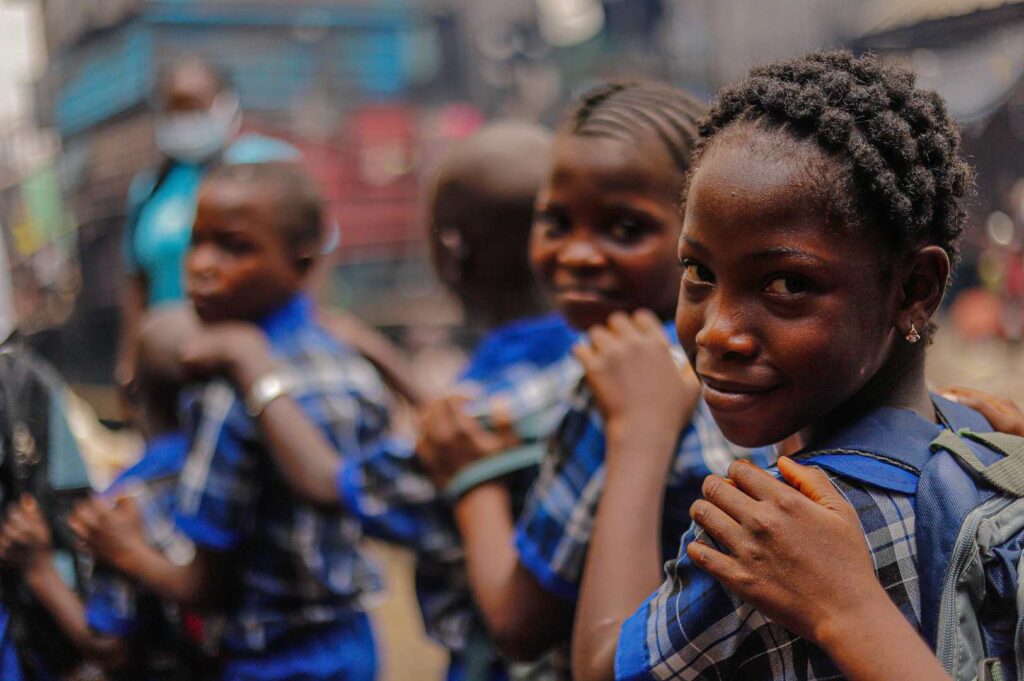
Leadership and Advocacy: Fostering Pluralism and Inclusion
Leadership matters because communities do not become inclusive by accident. Pluralism requires active support, fair systems, and public messages that value different backgrounds. Without that, families are left to carry the burden of adjustment alone.
Some people still argue for assimilation because they believe one shared culture improves public relations, reduces conflict, and strengthens national unity. They often connect conformity with economic opportunities and smoother social life. That argument can sound simple, but it overlooks discrimination and unequal access.
A stronger model is leadership that promotes inclusion while respecting heritage. That means building schools, services, and community spaces where people are not punished for difference. It also means supporting advocacy led by those directly affected. When communities do this well, integration becomes more humane and more effective.
Conclusion
In conclusion, navigating the delicate balance between heritage and assimilation is essential for New American families. By understanding the significance of cultural heritage and the pressures of adapting to a new society, individuals can cultivate a strong sense of identity that honors their roots while embracing new experiences. As we foster intergenerational exchange and community support, we empower our youth to thrive in a bicultural environment. The journey may be challenging, but with resources like asantY, families can find guidance in preserving their heritage while integrating into American culture. Together, we can advocate for a future where diversity is celebrated, and every individual’s story is valued. If you’re looking for further support, consider reaching out to us for a consultation.
Frequently Asked Questions
How can families help children maintain their heritage while adapting to American culture?
Families can keep cultural heritage active through language, stories, celebrations, food, and daily routines. For children of immigrants, this builds cultural identity while they learn a new culture. Healthy adaptation works best when children feel they do not have to hide home traditions in order to belong.
What are the potential advantages of preserving cultural heritage as a migrant?
Preserving cultural heritage can strengthen identity, family connection, and mental well-being. For migrants, it can also support cultural integration by helping them adapt without feeling erased. Cross-cultural skills may create economic benefits too, especially when people can move confidently between communities and settings.
Is it possible to fully embrace American identity without losing one’s heritage?
Yes, many people in American society build a strong cultural identity that includes both heritage and participation in public life. Assimilation does not have to mean total loss. When social integration allows room for difference, families can embrace American belonging while still honoring language, values, and tradition.


