


Key Highlights
- In the United States, immigration enforcement affects daily routines, safety, and trust for many immigrant families.
- Mixed-status homes often carry stress because each family member may have a different immigration status.
- Fear of detention or deportation can harm mental health and increase anxiety, especially for children.
- Family separation can disrupt childcare, schooling, housing, and income all at once.
- Restrictive immigration policy can raise food insecurity and reduce access to health care.
- Community support helps families stay connected, informed, and emotionally grounded.
Introduction
For many immigrant families in the United States, immigration is not only a legal process. It is an emotional journey that touches parenting, finances, schooling, and mental health. The stress can be even heavier when loved ones fear detention, policy changes, or family separation. At asantY, we know new American families need care, trust, and community as they adjust to deep cultural shifts. Understanding these pressures is one step toward stronger support and more stable outcomes for families.
Understanding Immigration and Family Dynamics in the United States
Immigrant families in the United States are shaped by migration, hope, and constant adjustment. Social science shows that immigration status can affect how each family member moves through daily life, from work and school to medical care and housing.
At the same time, immigration concerns can interrupt routines. Families may avoid services, change travel plans, or worry about a parent being away. To understand these disruptions, it helps to look closely at family structure and common migration patterns.

Defining Immigrant and Mixed-Status Families
Many homes include relatives with different forms of legal status. These mixed-status families may include undocumented immigrants, lawfully present immigrants, lawful permanent residents, and us citizens living under one roof. That means one family member may feel secure while another feels exposed.
For children, this difference can create confusion and fear. A child may be a U.S.-born citizen but live with a parent who lacks legal status. In these homes, children often worry about separation, changes in housing, and whether a caregiver will return home.
This pressure reaches beyond legal paperwork. Mixed-status families may limit travel, avoid public services, or hesitate to seek help even when needed. Children can carry adult worries early, and that can affect behavior, school participation, and the overall functioning of immigrant families.
Common Immigration Patterns Shaping American Communities
Immigration patterns help explain why certain pressures are felt across many american communities. Families from central america, including people connected to El Salvador, Honduras, and Haiti, have built lives in states across the country while managing changing rules and uncertainty.
Some communities feel these shifts more sharply because enforcement, local policy, and school systems interact with family life. Places such as new jersey and north carolina are part of a larger national picture where immigration policy can shape whether families stay, move, or withdraw from services.
- Enforcement activity can increase fear in neighborhoods and workplaces.
- Policy changes may place some families at risk of losing stability quickly.
- Parents may relocate to avoid exposure, disrupting school and work.
- Community trust can weaken when local systems feel unsafe.
These patterns do not stay private. They shape neighborhoods, classrooms, and the health of local communities.
How Immigration Policies Influence Family Stability
Family stability depends on predictability. When immigration policy changes quickly, families may not know whether a parent can keep working, attend court, or remain at home with a child. That uncertainty affects every family member.
Immigration enforcement adds another layer. Even the threat of action can alter routines, spending, and caregiving in the United States. When rules shift, families often adapt in urgent ways. The next sections show how recent policy changes and enforcement practices affect wellbeing at home.
Recent Changes in U.S. Immigration Policy
Recent immigration policy changes have affected refugees, asylum-seekers, and immigrant families through suspended programs, ended parole pathways, and stricter policy enforcement. When immigration law becomes more restrictive, families can lose a path to safety, work, or reunification. That pressure often shows up first in stress, delayed care, and disrupted planning.
The us government and systems linked to the department of health and family services also shape outcomes when families lose access to coverage, support, or referrals. These policy choices can influence mental health, childcare, schooling, and family separation all at once.
| Policy area | Family effect |
|---|---|
| Program suspensions | Families face uncertainty and prolonged waiting |
| Stricter enforcement | Fear, anxiety, and reduced mobility increase |
| Reduced benefit access | Health care use may drop and finances tighten |
| Weaker parental protections | Childcare crises and separation risks rise |
These shifts show why policy is never abstract for families.
Policy Enforcement and Its Ripple Effects on Families
Immigration enforcement does not affect only the person targeted. It can shake an entire household. When local law enforcement works closely with federal systems, families may avoid schools, clinics, or public spaces because they fear contact that could lead to detention.
For children, the impact can be severe. Millions of people live with an undocumented parent or other relative, and many are U.S. citizens. The deportation of a family member can lead to emotional distress, unstable care, missed school, and sudden housing problems.
These ripple effects can spread through the larger community as well. Families may move away, lose trust in public institutions, or struggle to arrange emergency care for children. In this way, family separation becomes both a private crisis and a community issue.
Mental Health Impacts of Immigration on Families
Mental health challenges often grow when families live with fear, long waiting periods, or the loss of a loved one through detention or removal. These risk factors affect adults and children differently, but both can feel overwhelmed, sad, or constantly on edge.
Family separation can also change the functioning of immigrant families. Parents may struggle to stay emotionally available. Children may become withdrawn or aggressive. To see this more clearly, it helps to look at uncertainty first, then the coping tools families can use.
Stress and Anxiety Related to Uncertainty
Uncertainty is one of the hardest parts of immigration stress. When families do not know what will happen next with immigration status, they may live in a constant state of alert. That ongoing fear can damage mental health over time.
Children are especially sensitive to this pressure. Reports from doctors and service providers describe more signs of anxiety, sleep changes, clinginess, anger, and withdrawal when children fear a parent may be deported. In some cases, sudden separation creates toxic stress, which can harm brain development.
The effects are not only emotional. Research described in the compiled information links enforcement pressure to long-term mental health problems such as depression and PTSD, along with physical risks later in life. For many families, the hardest burden is not one event, but never feeling safe enough to relax.
Coping Strategies for Emotional Wellbeing
When families live with the threat of deportation, relationships can shift. Parents may become overprotective. Children may hide worries to protect adults. Over time, silence can weaken trust inside the home. Supportive routines and connection can help protect mental health.
Community members, culturally responsive programs, and trusted providers play an important role in social integration. The compiled information highlights wellness groups, peer support, health navigation, and trauma-informed training as useful ways to strengthen resilience. These are practical supports families can actually use.
- Join wellness or peer support groups when they are available.
- Seek trusted mental health support in a familiar language.
- Build routines around school, sleep, and shared meals.
- Stay connected with community members who can help in crisis.
This kind of support reflects the goals often promoted by groups such as the American Psychological Association and community-based care networks.
The Financial Challenges Faced by Immigrant Families
Financial pressure is one of the fastest ways immigration stress reaches a household. Immigrant families may face unpredictable income after an arrest, detention, or job disruption tied to legal concerns. That can quickly threaten rent, transportation, and child needs.
These losses also connect to food insecurity and delayed health care. When income falls, families may skip appointments or avoid programs that help. The next two sections explain how work instability and rising expenses can reshape everyday survival.
Unpredictable Income and Job Security
For many immigrant families, job security depends on more than work performance. It can also depend on paperwork, changing rules, and fear of enforcement at home or on the job. Even families working toward a green card may live with uncertainty for long periods.
When a parent is arrested, detained, or deported, income can drop sharply. The compiled information describes families losing 40 to 90 percent of income within six months after an immigration-related arrest or removal. That kind of sudden loss creates serious risk factors for children and caregivers.
Daily life changes fast after that. Families may move, share housing, stop driving, or depend on relatives for child care. Parents may take unstable jobs, and older children may take on adult responsibilities. Financial stress becomes a direct threat to routine, dignity, and long-term stability.
Navigating Expenses Amid Policy Uncertainty
Policy uncertainty can make basic budgeting feel impossible. Families may not know whether a wage earner will stay employed, whether travel is safe, or whether a service application could expose immigration status. That fear affects both undocumented and some lawfully present immigrants.
Health care is often one of the first things families reduce. The compiled information notes lower participation in Medicaid and CHIP because of fear and uncertainty. When children lose coverage or delay care, family finances can suffer even more through emergency needs or untreated conditions.
Food insecurity also rises when families lose income or avoid assistance. Parents may cut meals, postpone bills, or borrow money to stay afloat. These are some of the main impacts of current immigration policy on immigrant families: fewer options, higher stress, and harder choices every month.

Childcare, Schooling, and Youth Development
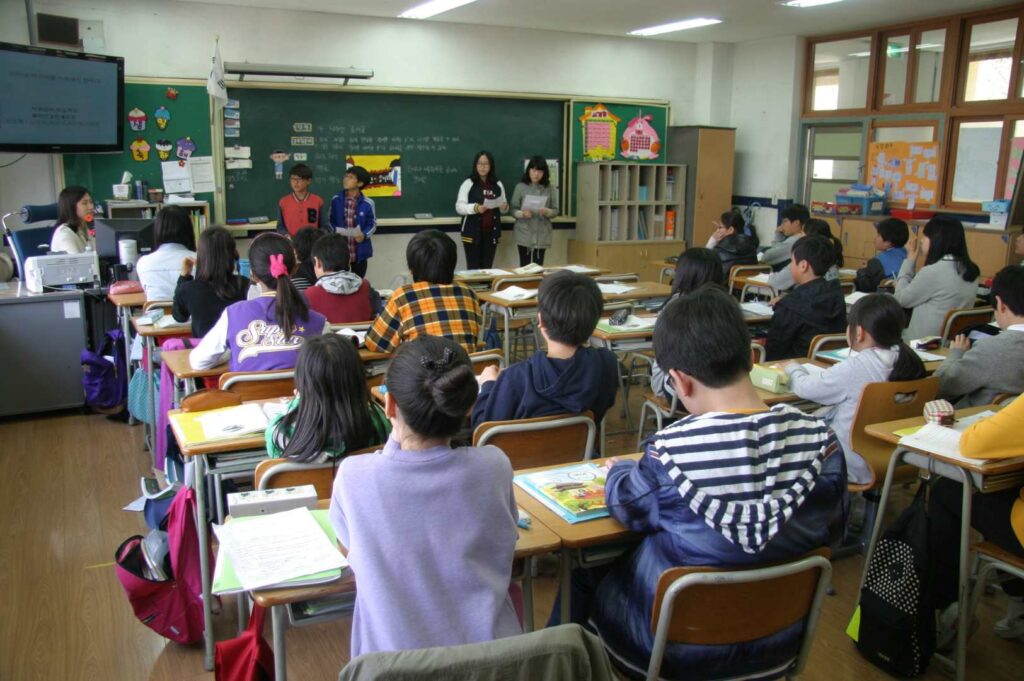
Children often feel immigration stress in places adults hope will stay safe, especially child care settings and schools. When fear enters those spaces, children’s health, child health, and youth development can suffer. Concentration, attendance, sleep, and behavior may all change.
Educational access is closely tied to mental health and family stability. If a parent cannot safely travel, work, or attend school meetings, children lose support at key moments. The sections below look at barriers in school and the emotional support children need.
Barriers to Educational Access
School is meant to be a stable place, but enforcement pressure can undermine educational access for many children. A study of immigration enforcement found that communities with 287(g) agreements saw a notable drop in Hispanic student enrollment. Families often leave, stay hidden, or avoid areas they view as unsafe.
That affects both undocumented immigrants and us citizens in the same household. Children in mixed-status homes may miss school after a raid, worry about a parent during class, or lose academic focus because home no longer feels secure. Educators have also reported more absences and lower parent involvement.
- Students may miss class after enforcement actions in the larger community.
- Academic performance can decline under chronic stress.
- Parents may hesitate to attend school events or meetings.
- Frequent moves can interrupt learning and friendships.
These barriers make school harder precisely when children need consistency most.
Emotional Support Systems for Children and Teens
Children and teens need more than information. They need emotional support from adults who listen, notice changes, and respond with care. When immigration stress builds, trusted support can reduce isolation and help young people feel less alone in what they are carrying.
Local communities matter because they can offer familiar relationships and practical help. The compiled information points to wellness groups, health navigation, and culturally sensitive services as tools that strengthen trust. These supports can help families seek care earlier and stay connected during hard periods.
Community members also help restore a sense of belonging. A caring teacher, mentor, faith leader, or family friend can make a child feel seen when everything else feels uncertain. For many new American families, strong local communities are part of what makes healing possible.
Family Separation and Psychological Effects
Few experiences are more painful than family separation. The psychological effects can begin immediately after a deportation of a parent or detention and may continue for months of a parent being absent. Children can feel grief, confusion, fear, and anger all at once.
In some cases, separation leads to foster care or emergency custody with relatives or strangers. That creates another layer of loss. To understand the full impact, we need to look at both the crisis of removal and the long work of reconnection afterward.
The Impact of Deportation and Detainment
Deportation and detainment can turn a family’s life upside down in a single day. Children may witness an arrest, come home to an empty house, or suddenly depend on someone they barely know. That kind of shock can trigger intense mental health challenges.
For U.S. citizen children with undocumented parents, the impact is especially painful. They may have legal citizenship but still lose daily care, housing stability, and emotional security. Research in the compiled information links these events to anxiety, depression, aggression, PTSD symptoms, and suicidal thoughts among some youth.
Family separation also creates toxic stress. When children are cut off from a parent without warning, their bodies and minds stay in survival mode. Sleep problems, frequent crying, fear, and behavior changes are common. Even after release or reunification, the effects may continue for a long time.
Restoring Family Connections After Separation
Restoring family connections after separation is often slow and complicated. Parents may be in detention, deported, or hard to locate. At the same time, courts and child welfare agencies may move ahead with decisions that affect custody of their children before a family is ready.
Policy changes matter here. Earlier guidance gave more attention to parental rights, while later directives reduced some of those protections. When systems do not coordinate, reunification becomes harder, and child health can suffer through prolonged uncertainty, placement changes, or loss of contact with a parent.
Restoration usually requires strong advocacy, legal help, and trusted organizations. Community agencies, service providers, and even nonprofit leadership such as a board of directors can help protect family stability by supporting humane practices, communication, and practical steps that keep parents connected to their children.
Conclusion
In conclusion, the emotional toll of immigration on families cannot be underestimated. From navigating complex policies to dealing with financial instability, immigrant families face unique challenges that can significantly impact their mental health and familial connections. Understanding these dynamics is crucial for fostering resilience and creating supportive environments where families can thrive despite adversity. By recognizing the importance of community connections and access to resources, we can help alleviate some of the burdens faced by new American families. Together, we can build a stronger community that uplifts, empowers, and supports those navigating the complexities of immigration. If you’re interested in contributing to this cause, consider reaching out to us at AsantY to learn how you can make a difference.
Frequently Asked Questions
What are the most common emotional challenges for immigrant families?
Common mental health challenges include anxiety, depression, grief, fear, and constant stress about legal uncertainty. For immigrant families, family separation is one of the biggest risk factors. Children may also show anger, withdrawal, sleep changes, or clinginess when they fear losing a parent or caregiver.
How does immigration affect children’s mental health and development?
Immigration stress can harm children’s health and mental health by creating fear, instability, and disrupted routines. Family separation and uncertainty about immigration status can trigger toxic stress, which may affect brain development, sleep, behavior, school performance, and a child’s sense of safety over time.
Why are community connections crucial for new American families?
Community members help immigrant families in the United States feel safer, less isolated, and more informed. Strong local communities support social integration, connect families to services, and offer trusted relationships during crisis. For new American families, that sense of belonging can protect emotional wellbeing and daily stability.


